Indoor Basketball Court
2026-10-14
|
Fans User:Indoor Basketball Court
Customer area:Guangzhou, China
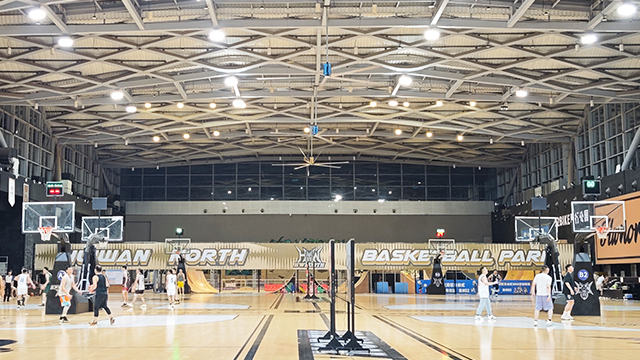
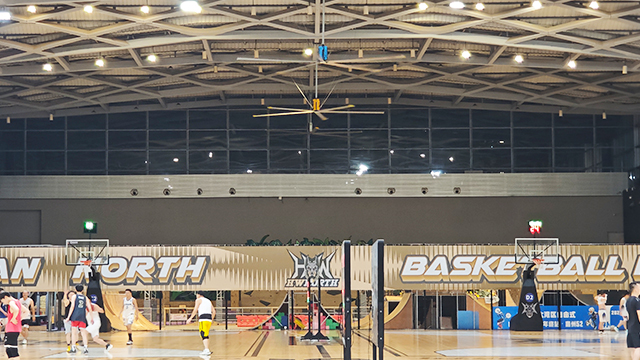
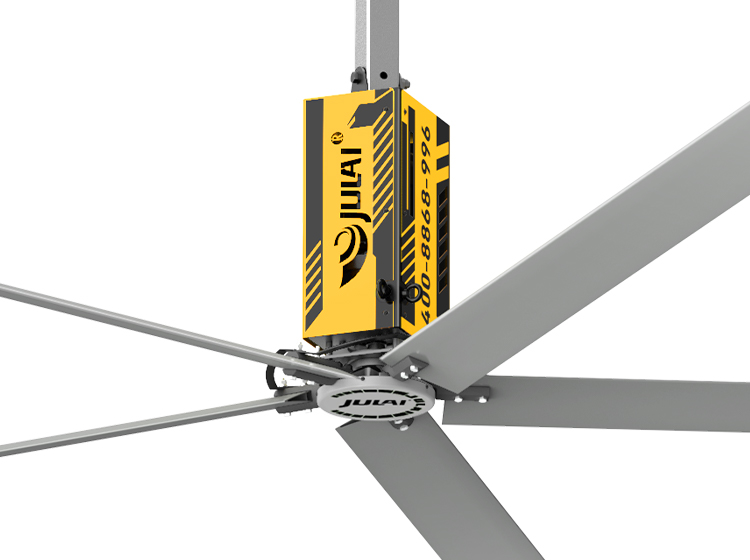
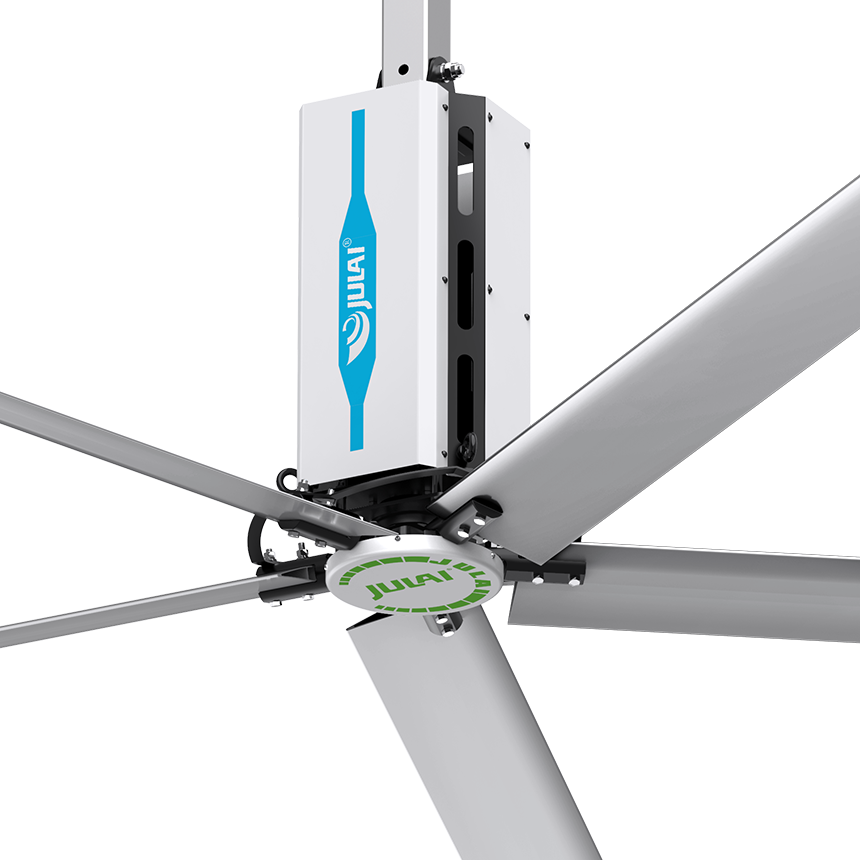
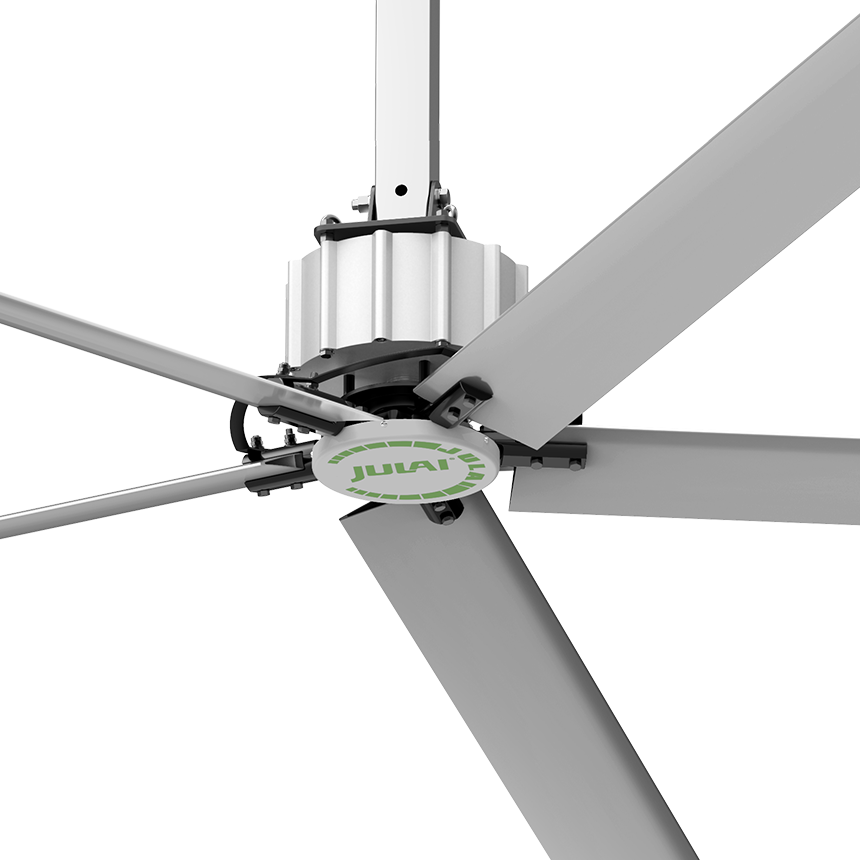
Application products:4 sets of 7.3m/24ft OF series ceiling fans
Background
This basketball venue covers an area of 4,000 square meters. The core activity areas such as the court, spectator stands, and player rest areas are designed in a closed style to enhance the sports viewing experience and sound insulation. There are few windows and most of them cannot be opened, resulting in poor natural ventilation. The venue mainly hosts youth basketball training classes, school events, and casual sports activities. The daily visitor flow can reach 200 - 400 people, and during holidays, it can exceed 1,000 people.
Dilemma
①.The architectural structure is inherently limited: To ensure sound insulation, lighting, and the visual effect of the event, the venues mostly adopt enclosed designs, with few windows that can be opened, resulting in insufficient natural ventilation and low air exchange efficiency;
②. A large number of people, generating a large amount of heat and waste: The players are engaged in high-intensity exercise, releasing a lot of heat, water vapor, carbon dioxide, and sweat odor; during normal times, there are 300-500 people, and on holidays, the peak number reaches 800. Within a short period, heat and exhaust gases accumulate rapidly; ③. High floor height and large space, with distinct air stratification: The basketball courts generally have a high floor height, and hot air rises and gathers at the top. The air in the lower activity area is stagnant, with a large temperature difference between the upper and lower parts. Conventional air conditioning is unable to stir the overall air; ④. Moisture is difficult to dissipate, and it is prone to breed odors and mold: A large amount of sweat from intense exercise increases the air humidity. In a closed environment, the moisture cannot be discharged, which easily leads to a musty smell. The damp ground also increases the risk of athletes slipping;
⑤. Limitations of traditional ventilation equipment: Wall-mounted fans and air conditioners only achieve local cooling and cannot form an overall air circulation; large-power fresh air systems are costly, have complex pipeline layout, and have high operating energy consumption.
Effect
● Global air circulation, eliminating air stratification
Suitable for large ceilings in basketball courts, it stirs the stagnant hot air at the top and makes it sink, leveling the temperature difference between the upper and lower parts of the venue, solving the problem of excessive heat at the lower part and accumulated heat at the upper part, achieving a 3-5℃ overall temperature reduction; ● Gentle airflow without interfering with the game Large areas of slow-moving gentle breezes, without strong wind blowing directly, will not disturb the flight trajectory of the basketball, and will not affect the players' dribbling and shooting, balancing ventilation and competitive requirements; ● Rapid evaporation of moisture and odors
Continuous air flow accelerates the evaporation of human sweat, reduces the relative humidity of the venue, disperses the sweat smell, carbon dioxide, reduces the growth of mold, reduces the risk of floor moisture and slipping, and protects the safety of sports activities; ● Low energy consumption, friendly operating costs
Single unit power is small, coverage area is wide. Compared with central air conditioning and pipeline fresh air systems, large-scale venues using this system can significantly reduce electricity costs, suitable for long-term high-frequency operation of basketball venues; ● Strong installation adaptability, no occupation of the venue
Installed on the top of the venue, it does not occupy the activity space such as the court, stands, and passages, and does not affect the layout of the event, the use of basketball hoops and other facilities. |
|